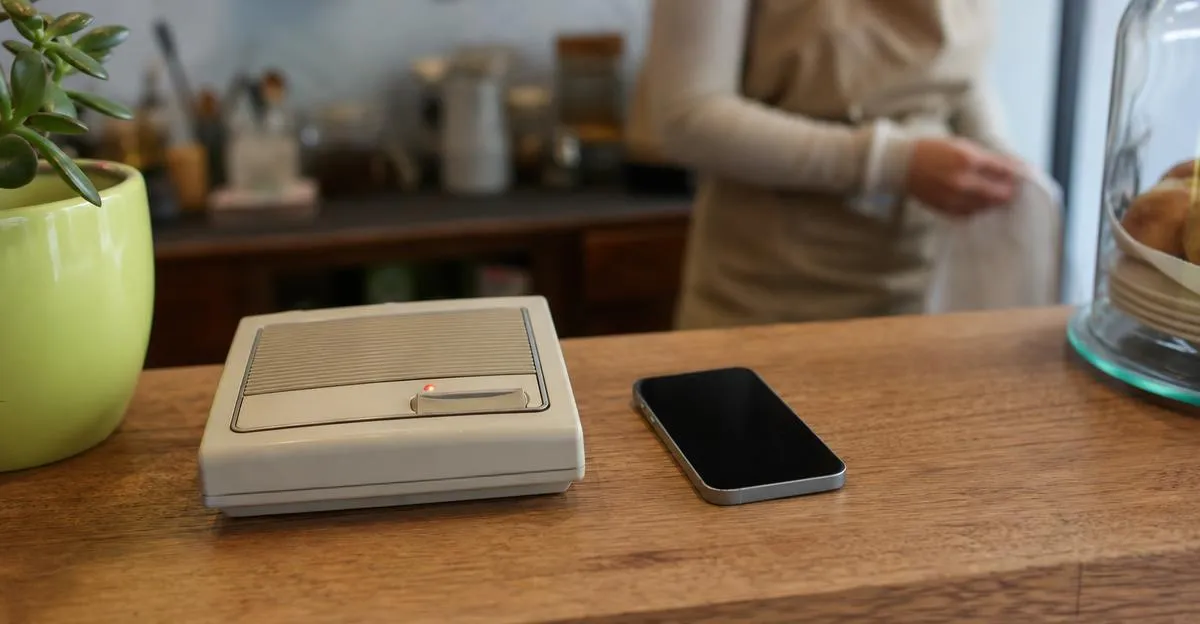
Two different answers to the same problem: the phone ringing while you work. One records, the other talks. Here is what a caller actually gets in each case, what each costs, and the businesses where voicemail is still the right call.
What voicemail actually does
Voicemail is a recorded announcement plus a mailbox. The caller hears your voice, waits for the tone and leaves a message that you listen to later. Almost every operator includes it in the plan and it adds nothing to the bill.
The flow runs one way: no questions, no answers, no availability offered. The work of turning that message into an appointment is still there in full, and it is still yours.
What happens to someone who wants to book
Someone looking for a free slot wants an answer now. Faced with a recording, most hang up without speaking, because leaving a name and a number takes effort and promises nothing in return.
Whoever does leave a message joins the chase: you call back while they are in a meeting, they call back while your hands are full. Two or three rounds and the appointment goes to whoever picked up on the first ring.
What an assistant that answers does
An AI voice assistant answers and holds a conversation. It says it is a virtual assistant, knows the hours, the services and the prices, offers the free slots, takes a name and a number and closes the appointment in the same call.
The booking arrives on WhatsApp and lands in Google Calendar. It answers in Italian and follows the caller into their own language, at three in the morning as at two on a Saturday, and leaves you nothing to play back the next day.
The comparison, line by line
Who answers: an announcement against a conversation. What the caller gets: the promise of a call back against a confirmed time. What you find waiting: a mailbox to work through against a diary already updated.
What it costs: voicemail comes with the line, the assistant starts at 69.99 euros a month plus VAT. The honest comparison is not with the zero on the voicemail, but with the appointments voicemail never takes.
When voicemail is still enough
If you take no appointments, if the phone rings twice a week, or if only a supplier ever calls, a recorded message does its job and nothing more is needed.
It also works for an announced closure: two weeks off with a recording that gives the reopening date is clearer than any automation. The problem starts when the phone is the channel people book through.
How to switch without changing your number
The number stays yours. You set a forward: *61*NUMBER**20# sends the assistant only the calls you do not pick up within twenty seconds, *21*NUMBER# sends it everything. You cancel them with #61# and #21#.
One detail costs many people an afternoon: the operator's voicemail triggers on the same condition. Left on, it can catch the call before the forward does, so switch it off in the operator's app. Then call your own number from another phone and check who answers.